

 Indian Reforms
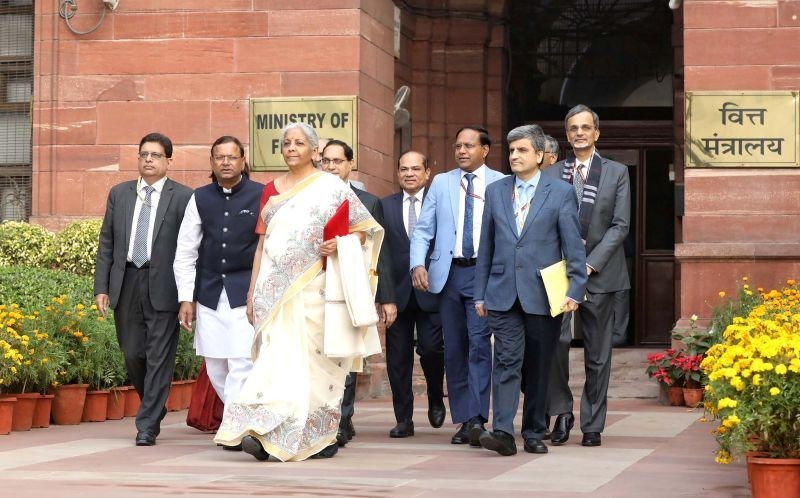
Indian Finance Minister Nirmala Sitharaman. Photo: PIB
Indias Tax Reforms: A bold counterstrike to US tariffs and a big push for Atmanirbhar Bharat
When the United States raised tariffs on Indian exports this year, many feared a slowdown for Asia’s third-largest economy. Instead of retreating, India responded with a sweeping tax reform on September 3, 2025—simplifying GST, slashing rates on hundreds of consumer goods, and sending a clear message: if one door shuts abroad, another will open at home.
This is not just a tinkering of slabs. It is the most decisive overhaul since GST was rolled out in 2017. Two simplified rates—5% and 18%—now cover most goods and services, while essentials like health and life insurance enjoy exemptions.
Sin and ultra-luxury items remain heavily taxed, ensuring revenue protection.
Timing the rollout just ahead of the festive season is no coincidence; the government is betting on a demand surge when Indian households typically loosen their purse strings.
The immediate winners are consumers. Lower taxes mean cheaper everyday goods—from household appliances to personal care products. More money in the hands of families directly fuels spending, which in turn energises retail and service sectors.
For industry, reduced compliance burdens and cleaner input-credit flows cut costs and simplify operations. This demand-supply loop is the classic multiplier that economists highlight as essential for growth.
The strategic brilliance lies in how the reforms blunt the blow of US tariffs. Export-oriented sectors like textiles, electronics, and automobiles can redirect part of their output to a reinvigorated domestic market.
Meanwhile, lower effective tax rates give manufacturers breathing space to absorb external shocks, invest in competitiveness, and diversify into other geographies such as Europe, Africa, and Southeast Asia.
But beyond short-term cushioning, these reforms embody the ethos of Atmanirbhar Bharat.
By energising domestic consumption, empowering MSMEs through a simpler tax regime, and creating incentives for local production, the government is strengthening the very foundations of self-reliance. India is not turning inward—it is turning stronger within, so it can stand taller without.
Risks remain. Revenue losses from rate cuts could test the Centre–State fiscal balance. And while a stronger domestic market is a shield, it cannot fully substitute for access to global demand. Execution—ensuring that price cuts reach consumers and industries scale up production—is the critical next step.
Yet, the direction is unmistakable. India is signalling to the world that it will not let external shocks dictate its destiny. By cutting taxes at home and fuelling demand from within, the government is rewriting the narrative—from dependency on exports to the power of a billion consumers.
The September 3 reforms are more than tax tweaks; they are an economic counterstrike, a political statement, and a social contract rolled into one. If implemented effectively, they could mark a turning point where India’s economy transitions from being export-pressured to truly demand-driven. In that sense, the reforms are not just about surviving US tariffs—they are about building an economy resilient enough to thrive regardless of them.
Top Headlines
-
News
Elon Musk deletes 'vote red' post after Republicans' midterm rout, Grok confirms
November 05, 2026
-
News
Honda City explodes in Gujarat's Vadodara, car parts fly 200 metres; 5 injured
November 05, 2026
-
News
Singur revival? Suvendu Adhikari in talks with Ashok Leyland for investment
November 05, 2026
-
News
We are a secular country: Bombay HC pulls up BMC over Dia Mirza video, asks civic body to restore Diwali campaign
November 03, 2026
-
News
NCB raids 38 locations across Assam, Mizoram and Manipur in 'Operation Trident' against cross-border drug network
October 25, 2026
-
News
VeeCycle Works Signs MoU with AP Govt for Rs 150 Cr Recycling Project in Visakhapatnam
October 12, 2026
-
News
Smit Machchhar: Bleeding on the Cockpit Floor, the Indian Captain Opened the Door That Saved 174 Lives
October 01, 2026
-
News
Sona College of Tech, Salem team wins Mitsubishi contest for factory automation; beats 6 national winners across Asia
September 20, 2026
-
News
After days of silence, China confirms Xi Jinpings India visit for BRICS Summit
September 10, 2026
-
News
ISKCON Juhu in trouble: FDA suspends licences of 3 restaurants over serious hygiene violations
September 09, 2026